


Blog / Redwood Falls Chevrolet Service

Blog

All Redwood Falls Chevrolet Service Redwood Falls Chevrolet Dealer Olson Chevrolet Olson Chevrolet Service New Car Inventory Sport Utility Vehicles Blazer Camaro Electric Vehicles Muscle Car Redwood Falls Used Cars
A silver Chevrolet in a white background

Examples of Chevy Maintenance Available From Your Chevy Dealer

Keeping your Chevy in top condition is easy with regular Chevy maintenance. Our expert technicians can replace worn parts and fix potential issues that could become a problem and cause avoidable repairs in the future. As your Chevy dealer, we want to tell you about some types of maintenance we can perform. more Oil Change Oil is essential for your engine. It lubricates all engine components, allowing them to work efficiently and protecting them by applying a friction-reducing coating that prevents damage. In addition, oil additives protect against rust and break down engine deposits that could cause blockages in the system. Your engine slowly consumes the oil, and a low oil level can contribute to engine overheating. Old oil provides far fewer benefits and can lead to engine damage in the long term. Darker exhaust smoke, strange engine sounds, and odd smells are signs that the oil needs replacement. We'll drain the old oil and remove the oil filter. We then refill the oil and install a new filter. You'll notice an immediate improvement in engine performance. Brake Pad Replacement Brake pads are an important part of the braking system. The pads fit into the calipers, which close on the rotors when you hit the brakes. The material covering the brake pads generates friction against the rotors and brings your car to a stop. The material covering the pads gradually wears off, and when it drops to 1/4" thickness, the pad needs to be replaced. If one of the pads wears out, you'll hear a screeching sound when you brake. This noise is caused by a metal spike buried in the material that only becomes visible when the material is thin enough. The spike scratches against the rotor each time you brake to warn that you need a new pad. Our technicians can replace brake pads in minutes, and the annoying sound will disappear. Multi-Point Inspection A multi-point inspection examines some of your Chevy's most important systems and components. One of our expert technicians will complete a checklist of these components and assess their condition. If any repairs are needed, we'll confirm them with you, and fix the issues while your Chevy is still in our service department. As part of this inspection, we check for any fluid leaks, test your battery and check the cables, examine the windshield for any chips or cracks, and examine the wiper blades. We also inspect your tires and advise on wheel alignment issues or potential tire rotation. Other inspected items include the axle boots, ignition lock, and the accelerator pedal. If you'd like to know more about specific maintenance for your Chevy, contact us today at Olson Chevrolet in Redwood Falls, MN. Image via Chevrolet

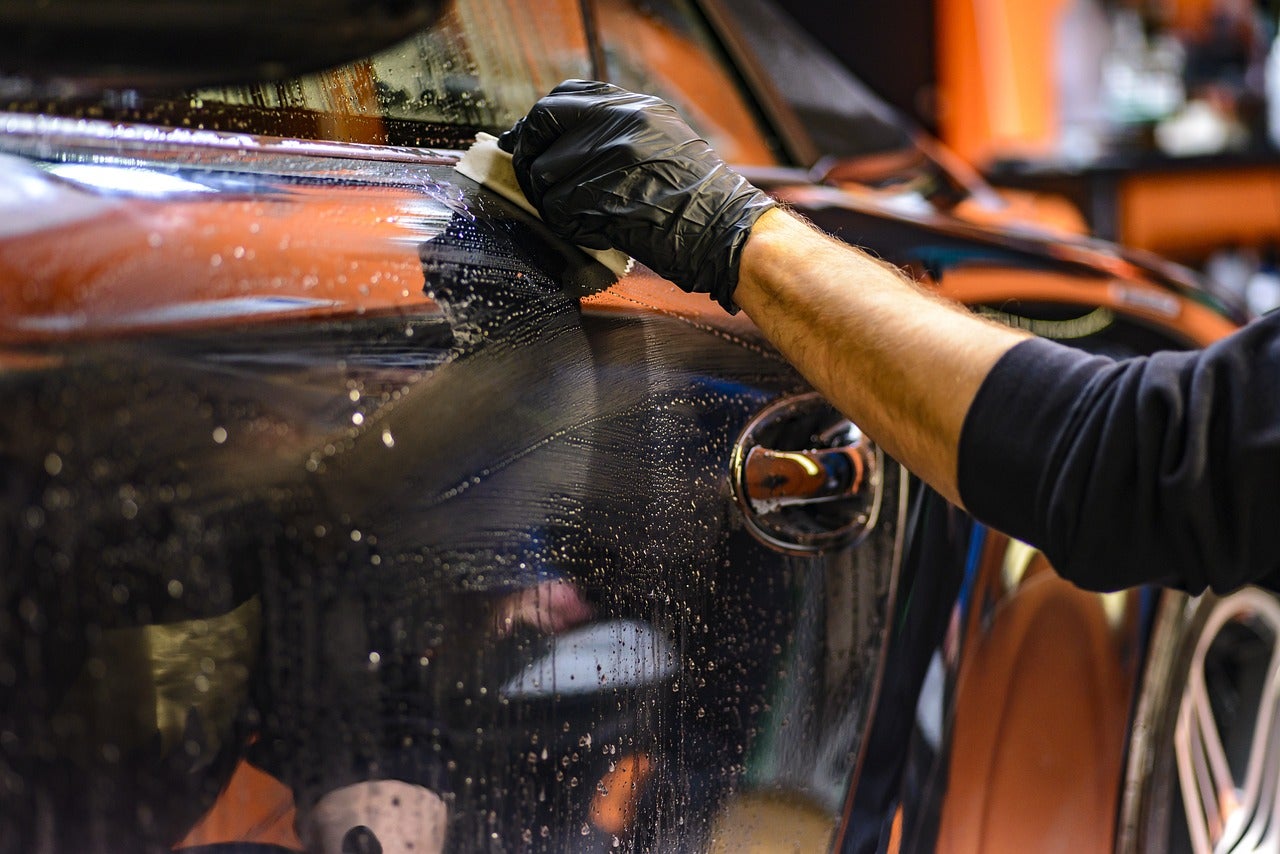
A person wiping a car

From Your Chevy Dealer: Why a Chevrolet Service Center the Right Call

When you need repairs or servicing for your Chevy, you always have the choice between visiting a dealer or going to an independent repair shop As your Chevy dealer, we want to tell you a few reasons why choosing a Chevrolet service center is the best choice to save you time and money. more Chevy-Trained Technicians All our technicians undergo rigorous training. They qualify as mechanics and then attend advanced Chevrolet training. This training makes them familiar with every component in the full range of Chevrolet vehicles. In addition, regular training courses on new vehicles and vehicle features keep them up-to-date on new parts and technologies. A regular mechanic, in comparison, doesn't receive this advanced training. This makes them slower at identifying potential issues than our specialists. Regular mechanics also work on a wide variety of different makes and models, while our technicians spend their days honing their practical skills in servicing and repairing Chevrolet models. A faster service or repair translates into a lower cost to you for a higher quality of service. Chevy Components There are two types of components: Original Equipment Manufacturer (OEM) and aftermarket. OEM parts are made in the same factories that built the original parts for your car, and they're identical in quality and durability. An OEM part will always fit perfectly, and has the same lifespan as the part it replaces. OEM parts are the only type of component we use on your Chevy, as they are the strongest and safest parts available. Aftermarket parts, in contrast, aren't made for your car. They're designed to fit a variety of makes and models. Aftermarket parts may not fit correctly, which increases wear and tear on the part and can cause additional future damage. In addition, these parts are built using lower-quality materials, which decreases their working life even further. Warranty A warranty protects you against any unforeseen issue with a part or labor. All OEM parts carry a warranty, and our work is also covered by a warranty. This gives you the peace of mind to know that in the very unlikely event of an issue, it will be speedily rectified at no cost to you. These warranties are possible due to the knowledge of our expert technicians and the recognized quality and durability of genuine parts. Aftermarket parts don't have a warranty, as they're not specifically designed for your Chevy. This means there's no way to guarantee they'll work to a standard level and for a standard duration. Independent mechanics may offer a warranty on their labor, but you would have to return to the same repair shop to have any problem fixed. These are only a few reasons to choose a Chevy service center. If you'd like to know more, contact us today at Olson Chevrolet in Redwood Falls, MN. Image via Pixabay

A car's tire on a road near a tree

Time for New Tires? Visit Your Chevy Dealership Today

If your tires become worn down, damaged, or improperly inflated, you might experience a blowout or skid while on the road. For this reason, it's important to check tire air pressure at least once a month while also keeping an eye out for the following signs of nascent tire problems. If you suspect your tires might be on their last legs, head to your local Chevy dealership for new tires without delay. more Air Pressure Problems When tires are either over or under-inflated, they become at risk of overheating or suddenly losing traction. It's wise to always keep your tires at precisely the PSI recommended in the owner's manual. If you ever find that one of your tires is persistently losing air pressure, it might have a concealed puncture or some other structural problem. It's best to have the problematic tire inspected by a trusted technician. Damaged Tire Rubber A clearly damaged tire should never be ignored. Bulges or bubbles in the rubber almost always indicate serious internal damage, making the tire dangerous to continue using. Likewise, deep cuts and gashes from road debris can threaten the structural integrity of a tire. Excessive cracks in the sidewalls also pose a risk to the driver. Some tire damage can be repaired, but more often than not, a damaged tire will have to go. Heightened Road Noise The first sign of tire trouble is often an increase in road noise and vibrations. With bad tires, you're likely to notice significant changes in how your vehicle sounds and feels, especially when driving at higher speeds on the highway. If you do, head to your nearest dealership to have your tires inspected. Mismatched Tire Size Car tires usually wear down at an uneven rate. This is due to mismatched weight and pressure at the front and rear of a vehicle. Tire rotation is designed to counter uneven tire wear. However, if a set of tires becomes too uneven in size and shape due to uneven wear, the only solution might be to replace all four tires. Worn-Down Treads When brand new, tire treads are usually around 10/32 or 11/32 of an inch in depth. But this tread depth steadily diminishes over time. When the tread depth of your tires wears down to 2/32 of an inch, it's time to replace them. If you don't have a tire tread depth gauge, you can insert a penny coin into the central part of any tire's treads. If the top of Lincoln's is still visible, it means that the treads are 2/32 of an inch deep. Visit Olson Chevrolet in Redwood Falls, MN, today to have your car's tires inspected and repaired. We're a trusted local dealership providing the region's drivers with top-notch vehicles, maintenance services, and customer care. Image via Pixabay

A person stepping out of a white car

6 Key Indicators Your Chevrolet Needs a Transmission Repair From Your Chevy Dealer

Your car will definitely let you know when you need to head to the Chevy dealer for a transmission repair. You'll likely experience problems with your gears, hear strange noises, smell a burning odor, or spot transmission fluid near your vehicle. Let's get into the signs that your transmission is in trouble in more detail. more 1. Trouble Switching Gears You need to drive forward out of your parking space, so you go to switch from park to drive as you normally would. However, your car simply won't shift out of park. Or, if it does shift, it takes a lot of force to get the gear shift to move. This is a sign that your transmission fluid is contaminated, so you should visit the dealer for a fluid flush as soon as you can. 2. Slipping Out of Gear You're driving along without a problem, then suddenly, you notice it's hard to control your acceleration, as your car is slipping out of gear. Your engine is revving higher than normal, but your speed just isn't increasing. Numerous things can cause this issue, so you should get the transmission checked immediately. Slipping out of gear in heavy traffic can be very dangerous, especially when you need to decelerate with an uncooperative car. 3. New Noises You change gears, and you hear a buzzing, whining, or grinding sound. You know your car doesn't usually make that noise, which means it's probably a sign of trouble. It usually means that you have a low transmission fluid level, have damaged synchronizers, or have worn-out gears or bearings. 4. Transmission Fluid Leak Before getting into your car, you decide to take a look around to make sure none of its fluids are leaking out. However, you notice a bright red liquid underneath the car or just beside your vehicle. This is transmission fluid, and you'll need to have the leak repaired and the transmission fluid level topped off. 5. Burning Aroma You're driving along normally when you catch a whiff of something strange. It smells like something's burning. Sometimes this burning smell tells you that your transmission is overheating, or your transmission fluid is burning up. Other issues can also cause a burning smell, such as worn-out clutches, a low transmission fluid level, or problems with your torque converter. 6. Feedback When Switching Gears If your car gives you any type of feedback when you switch gears, such as jerking, shaking, or kicking, then you've got a transmission problem. Switching gears should always be a smooth experience, so head to the dealer if gear switches are no longer smooth. Need somewhere to bring your Chevy when your transmission is in trouble? Come to Olson Chevrolet in Redwood Falls, MN so we can fix your car up. Image via Pixabay

Contact Us

Fill out this form below and we'll contact you shortly
*Required Fields