





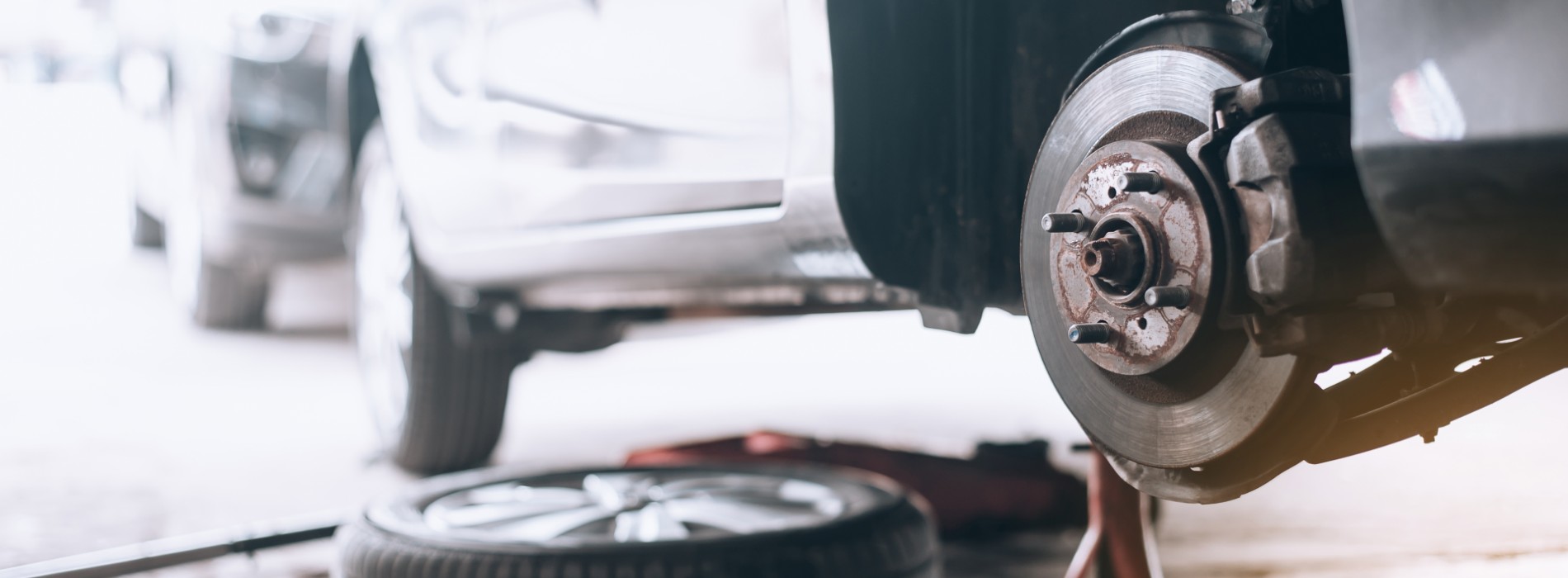
▶ Quick Answer
When should you replace your brake pads?
Most brake pads need replacing every 25,000 to 65,000 miles, though the honest answer depends on how thick the pads are and how they sound, not just the number on the odometer. Brake pads should generally be replaced once they wear down to about 1/8 inch (3mm) thick.
- 25,000–65,000 mile range
- 1/8 inch (3mm) wear limit
- Squeaking & grinding are warning signs
- MN winters add extra wear
Brake Pad Replacement Guide
What Every Driver Needs to Know
Brakes don't usually fail all at once — they wear down slowly, and most drivers don't think much about them until something sounds off. That's the point where a lot of drivers start looking for a real brake pad replacement guide, trying to figure out if that new noise is normal or a sign of trouble. At Olson Chevrolet in Redwood Falls, our service team hears these questions all the time, and the honest answer is usually simpler than people expect.
Key Takeaways
- Most brake pads last between 25,000 and 65,000 miles, depending on driving habits and vehicle type.
- When to replace brake pads comes down to thickness and sound, not just mileage on the odometer.
- Squeaking or grinding noises are early warning signs that shouldn't be ignored.
- Brake pads should generally be replaced once they wear down to about 1/8 inch (3mm) thick.
- Waiting too long to replace worn pads can damage rotors and increase repair costs.
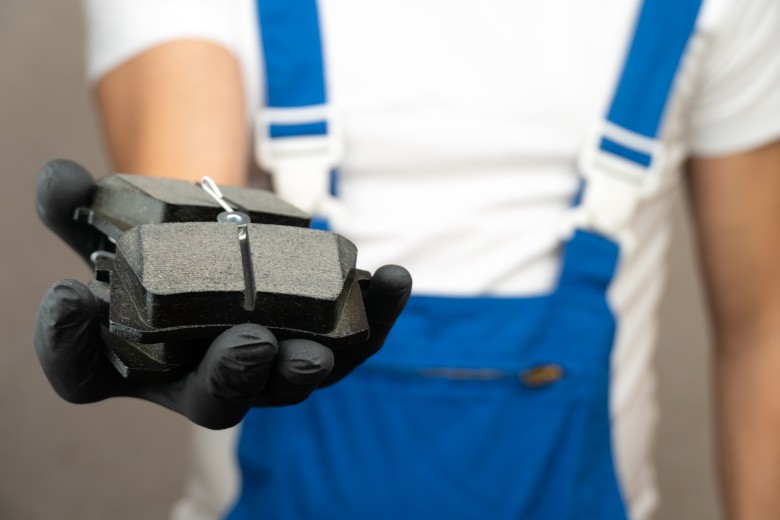 Mileage & Wear
When Should You Replace Your Brake Pads?
Most brake pads need replacing every 25,000 to 65,000 miles, though the honest answer to how long do brake pads last depends on how thick they are and how they sound, not just the number on the odometer.
Mileage only tells part of the story. City driving with lots of stop-and-go traffic wears pads down faster than steady highway miles, and drivers who tow trailers or haul heavy loads — common around Redwood Falls farms and job sites — put extra strain on the braking system too.
New pads generally start out around 10-12 mm thick, and how thick should brake pads be before it's time to worry is a fair question: anything close to 3mm (about 1/8 inch) means it's time to schedule a look.
Minnesota winters add another layer — more braking on slick roads, more road salt, and more wear on pads and rotors alike. A technician can measure pad thickness in a few minutes and give a straight answer about whether there's life left or it's time to replace.
Signs It's Time for a Closer Look
- Squeaking or squealing when braking
- A grinding sound or feeling underfoot
- Longer stopping distances than usual
- A brake pedal that feels soft or sinks lower than normal
 Warning Signs
What Are the Signs of Worn Brake Pads?
Signs of worn brake pads usually show up as noise first — squealing, squeaking, or grinding — followed by a spongy pedal or a car that pulls to one side while braking.
Brake pads are equipped with a small metal wear indicator that scrapes against the rotor when the pad material gets thin, producing a high-pitched squeal on purpose. That's one of the most common brake pad warning signs, and it's meant to be heard. If the noise turns into a grinding sound, the pad material is likely worn through, and metal is contacting metal — a bigger problem that often means the rotors need attention too.
Vibration through the pedal, a car that pulls to one side under braking, or a dashboard warning light are all reasons to visit a service center. None of these signs mean the brakes are about to fail immediately, but each one is the vehicle asking for an inspection sooner rather than later.
The most common one drivers notice first is simple: squeaking brakes, meaning a wear indicator has reached the rotor. The table below breaks down what different noises and feelings usually point to, so it's easier to know what's normal wear and what needs a closer look.
| Warning Sign | What's Happening | What It Sounds/Feels Like | What It Means |
|---|---|---|---|
| Squeaking | Wear indicator touching rotor | High-pitched squeal when braking | First sign pads are getting thin |
| Grinding | Pad material worn through | Metal-on-metal sound while stopping | Rotors may already be damaged |
| Vibration or pulsing | Rotor surface uneven or warped | Pedal pulses when braking | Often needs rotor resurfacing or replacement |
| Soft or spongy pedal | Air, fluid, or pad wear issue | Pedal sinks lower than usual | Should be checked promptly |
| Pulling to one side | Uneven pad wear or caliper issue | Car drifts during braking | Can affect handling and safety |
 Safety
Is It Dangerous to Drive on Worn Brake Pads?
Yes — worn brake pads increase stopping distance, strain other brake components, and raise the risk of an accident, especially on wet or icy roads.
Worn brake pads don't just mean a noisier ride — they create real risks that build up the longer they're ignored. Here's what's actually at stake.
Longer Stopping Distances
As pads thin out, they can't grip the rotor as effectively, which means it takes longer to come to a full stop. That extra distance matters most in an emergency or on slick Redwood Falls roads in winter.
Rotor and Caliper Damage
Once pad material wears through completely, the metal backing plate starts grinding against the rotor. What started as a simple pad swap can turn into rotor resurfacing or replacement, and the calipers can wear unevenly as a result.
Higher Repair Costs
Catching worn pads early keeps the fix simple and affordable. Waiting too long almost always means paying for rotors, calipers, or both, on top of the pads themselves — a bigger bill for something that started small.
 Why It Pays Off
The Benefits of Timely Brake Pad Replacement
Staying ahead of pad wear pays off in ways drivers notice right away, from how the car feels on the road to what shows up on the repair bill.
Confident, Predictable Stopping Power
Fresh pads grip the rotor the way they're designed to, so stopping distances stay short and predictable — whether it's a quick stop in town or braking hard on the highway.
Quieter, Smoother Braking
New pads eliminate squeal, grinding, or pedal vibration that come with worn ones, so every stop feels smooth rather than unsettling.
Lower Long-Term Cost
Replacing pads on time protects the rotors and calipers around them, which means fewer surprise repair bills down the road. For anyone driving a Silverado, Equinox, or Trailblazer, staying current with Chevy brake pad replacements helps keep the entire braking system working as it should.
Stay Ahead of Brake Wear at Olson Chevrolet
Brake pads aren't glamorous, but they're one of the most important safety systems on any vehicle. If the brakes have been squeaking, grinding, or just feeling different lately, a quick inspection at Olson Chevrolet in Redwood Falls answers the question fast — before a small issue turns into a bigger one.
Common Questions
Frequently Asked Questions
How long do brake pads typically last?+
Most brake pads last between 25,000 and 65,000 miles, depending on driving style, vehicle weight, and road conditions.
When should you replace your brake pads?+
Replace brake pads once they wear down to about 1/8 inch (3mm) thick, or sooner if squeaking, grinding, or pedal changes show up.
How do you check your brake pad thickness at home?+
Many wheels allow a visual check between the spokes, but a technician can measure exact thickness accurately in just a few minutes.
What does it mean when your brakes are squeaking?+
Squeaking usually means the wear indicator built into the pad is contacting the rotor, signaling that it's time for an inspection.
How often should you replace brake pads on a Chevy truck or SUV?+
It varies by model and use, but trucks and SUVs that tow or carry heavy loads often need their pads checked more frequently than passenger cars do.
Brake pads vs. rotors: when to replace which one?+
For brake pads vs. rotors, pads typically wear out first and need replacing more often; rotors usually only need attention if they're worn thin, warped, or damaged from neglected pads.
| Day | Open | Closed |
|---|---|---|
| Monday | 8:00AM | 6:00PM |
| Tuesday | 8:00AM | 6:00PM |
| Wednesday | 8:00AM | 6:00PM |
| Thursday | 8:00AM | 6:00PM |
| Friday | 8:00AM | 6:00PM |
| Saturday | 8:00AM | 4:00PM |
| Sunday | Closed | Closed |
| Day | Open | Closed |
|---|---|---|
| Monday | 8:00AM | 5:00PM |
| Tuesday | 8:00AM | 5:00PM |
| Wednesday | 8:00AM | 5:00PM |
| Thursday | 8:00AM | 5:00PM |
| Friday | 8:00AM | 5:00PM |
| Saturday | 8:00AM | 12:00PM |
| Sunday | Closed | Closed |
| Day | Open | Closed |
|---|---|---|
| Monday | 8:00AM | 5:00PM |
| Tuesday | 8:00AM | 5:00PM |
| Wednesday | 8:00AM | 5:00PM |
| Thursday | 8:00AM | 5:00PM |
| Friday | 8:00AM | 5:00PM |
| Saturday | 8:00AM | 12:00PM |
| Sunday | Closed | Closed |
Get Directions
| Department | Number |
|---|---|
| Sales | 507-556-7831 |