






Tire Maintenance Guide
Rotation, Balancing, or Alignment?
Tire care is one of those things drivers know they should stay on top of, but it's easy to mix up the different services. Around Olson Chevrolet in Redwood Falls, MN, we hear a lot of questions about tire rotation, tire balancing, and alignment, especially when someone notices a vibration, uneven wear, or that familiar tire wobble at highway speed. And honestly, it makes sense. These services sound similar, they're often done together, and they all play a big role in keeping your Chevy driving smoothly.
So let's break down the difference between tire rotation and tire alignment, how to know which one you need, and why staying ahead of these services is one of the smartest things you can do for your vehicle. Think of this as a tire maintenance guide for Chevy vehicles to help you determine which service is best for you.
Key Takeaways
Rotation
Prevents uneven wear and extends tire life.
Alignment
Corrects steering angles and keeps your vehicle tracking straight.
Balancing
Eliminates vibration and corrects weight differences in the wheel assembly.
Know the Signs
Knowing the symptoms helps you decide whether you need balancing or alignment.
Stay Ahead
Regular tire care improves safety, comfort, and long-term savings.


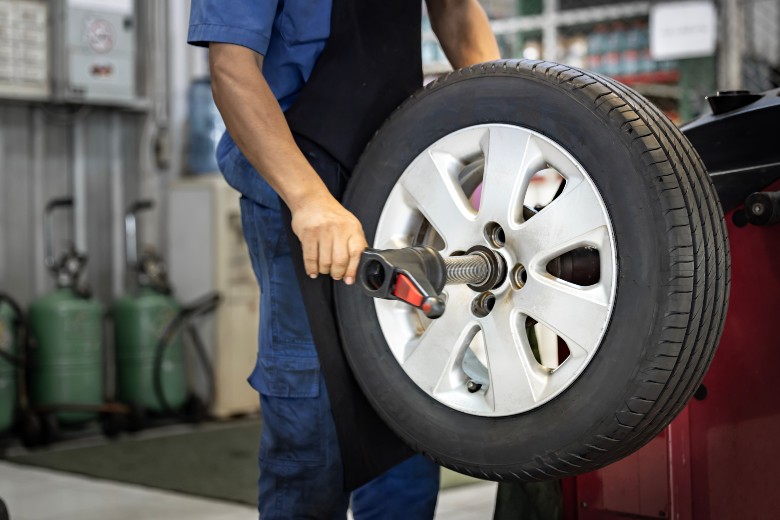
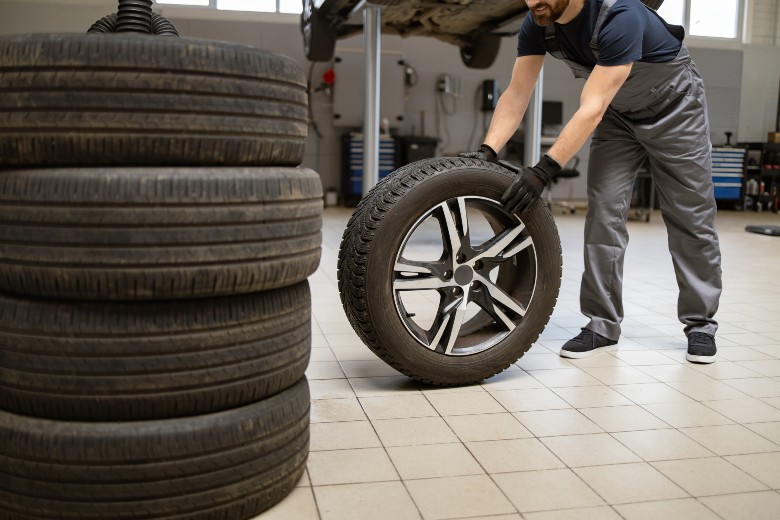
How Often Should You Balance Tires?
Drivers often ask how often to balance tires, and the answer depends on your driving habits. Many balance their tires with each rotation, while others wait until they feel a vibration. If you drive long distances or often hit rough roads, balancing more frequently helps prevent premature wear.
Why These Services Matter
Rotations, balancing, and alignment all work together to keep your Chevy safe, smooth, and efficient. When tires wear evenly, you get better traction. When they're balanced, you avoid vibration and suspension strain. When alignment is correct, your steering stays sharp and predictable. Skipping these services can lead to:
- Faster tire wear
- Reduced fuel efficiency
- Steering issues
- Suspension stress
- Higher long-term repair costs
It's one of those pay a little now or pay a lot later situations.
Keeping Your Chevy Rolling Smoothly
At Olson Chevrolet, we see firsthand how much of a difference proper tire care makes. Whether you're dealing with a vibration, uneven wear, or just trying to stay ahead of maintenance, understanding the difference between rotation, balancing, and alignment helps you make confident decisions.
Common Questions
Frequently Asked Questions
What is the difference between tire balancing and wheel alignment?
Balancing corrects weight differences in the tire and wheel; alignment adjusts steering angles.
How do I know if I need a tire balance or an alignment?
Vibration usually means balancing; pulling or uneven steering usually means alignment.
How often should I get my tires balanced on a Chevy?
Many drivers balance tires every rotation or whenever vibration appears.
What happens if you drive with an unbalanced tire?
You'll get vibration, faster wear, and possible suspension strain.
Can bad alignment cause tire wear?
Absolutely, misalignment is one of the biggest causes of uneven tire wear.
How much does tire balancing cost vs. an alignment?
Costs vary, but alignment vs. balancing cost typically shows balancing as the more affordable service.
| Day | Open | Closed |
|---|---|---|
| Monday | 8:00AM | 6:00PM |
| Tuesday | 8:00AM | 6:00PM |
| Wednesday | 8:00AM | 6:00PM |
| Thursday | 8:00AM | 6:00PM |
| Friday | 8:00AM | 6:00PM |
| Saturday | 8:00AM | 4:00PM |
| Sunday | Closed | Closed |
| Day | Open | Closed |
|---|---|---|
| Monday | 8:00AM | 5:00PM |
| Tuesday | 8:00AM | 5:00PM |
| Wednesday | 8:00AM | 5:00PM |
| Thursday | 8:00AM | 5:00PM |
| Friday | 8:00AM | 5:00PM |
| Saturday | 8:00AM | 12:00PM |
| Sunday | Closed | Closed |
| Day | Open | Closed |
|---|---|---|
| Monday | 8:00AM | 5:00PM |
| Tuesday | 8:00AM | 5:00PM |
| Wednesday | 8:00AM | 5:00PM |
| Thursday | 8:00AM | 5:00PM |
| Friday | 8:00AM | 5:00PM |
| Saturday | 8:00AM | 12:00PM |
| Sunday | Closed | Closed |
Get Directions
| Department | Number |
|---|---|
| Sales | 507-556-7831 |