





▶ Quick Answer
What Does the Yellow Exclamation Mark Mean on My Dashboard?
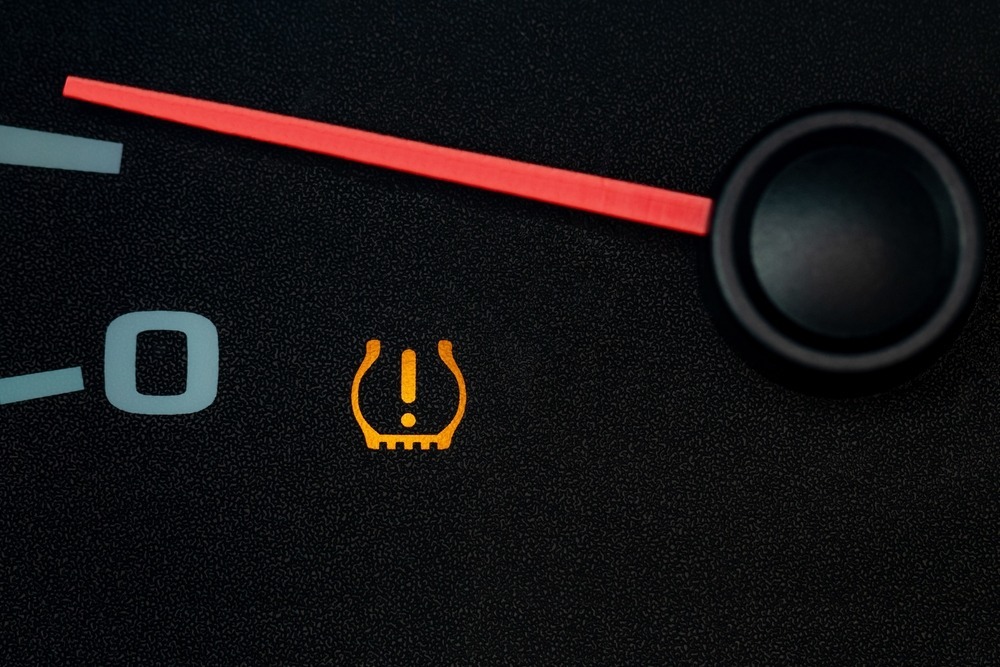
The yellow exclamation mark inside a set of parentheses is the Tire Pressure Monitoring System (TPMS) warning light. It turns on when one or more tires drop below the manufacturer’s recommended PSI, most often due to a seasonal temperature drop or a slow leak.
- Steady light = low pressure
- Flashing light = sensor issue
- Cold weather is the top trigger
- Ignoring it risks uneven wear or a blowout
Tire Pressure Warning Light Explained
That little yellow exclamation mark on the dashboard display can catch anyone off guard — one minute the drive is smooth, and the next there’s a glowing warning staring back from the instrument cluster. At Olson Chevrolet in Redwood Falls, this is one of the most common questions drivers bring to our service counter. So what’s actually going on under the hood (or, more accurately, inside the tires) when that icon pops up? It’s usually a quick fix, and knowing what it means makes the whole thing a lot less stressful.
Key Takeaways
- The yellow exclamation mark (inside a set of parentheses) is the Tire Pressure Monitoring System, or TPMS, warning light.
- It turns on when one or more tires drop below the manufacturer’s recommended PSI.
- A steady light usually means low pressure; a flashing light points to a sensor or system problem.
- Cold weather is the most common trigger, since tire pressure drops as temperatures fall.
- Ignoring the light can lead to uneven tread wear, poor handling, and a higher risk of a blowout.
 TPMS Basics
What Does the Exclamation Mark Mean on the Dashboard?
That icon is the TPMS light, meaning tire pressure monitor, and it lights up the moment a sensor in one of the wheels detects pressure that’s fallen outside the safe range set by the manufacturer.
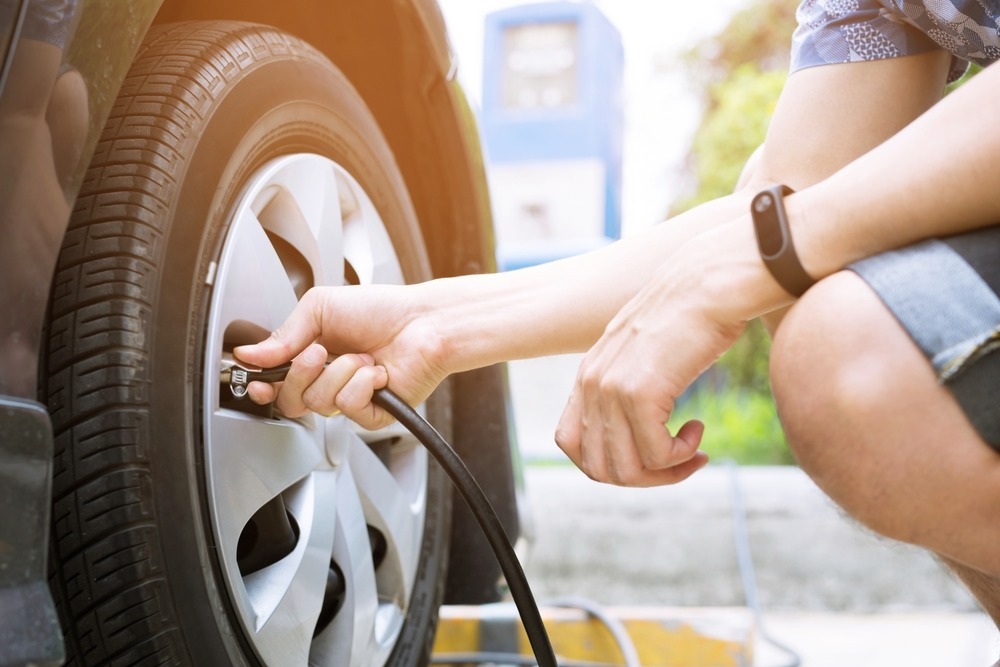
Every Chevy built in the last couple of decades comes with a Tire Pressure Monitoring System built into each wheel. Small sensors track PSI in real time and send that data to the vehicle’s computer. When a tire drops by roughly 25 percent from the recommended pressure listed on the driver’s door jamb sticker, the system flags it, and the tire pressure light comes on. This isn’t the same as a check-engine light — it’s specific to the tires, not the engine or emissions system. It’s also one of the more common lights to see this time of year, since cold mornings and cool nights cause air inside a tire to contract naturally. A quick glance at the tires and a pressure gauge usually explains everything.
Common Reasons the Light Comes On
- A seasonal temperature drop overnight
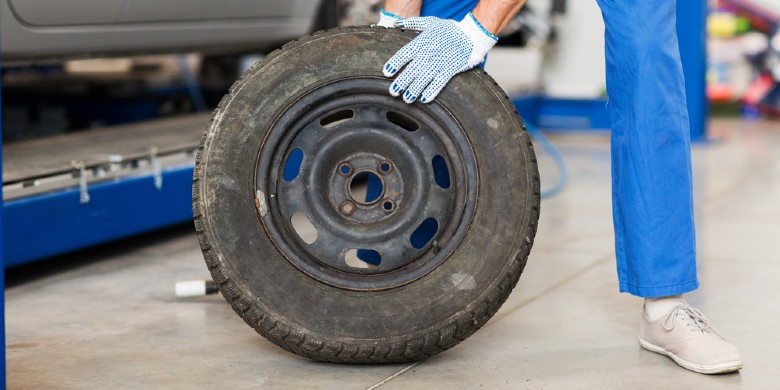
- A slow leak from a nail, screw, or road debris
- Tires recently rotated or replaced without a system reset
- An aging TPMS sensor battery nearing the end of its life
 Common Causes
Why Is My Tire Pressure Light On?
The most common answer to “Why is my tire pressure light on?” is simple: at least one tire is running low on air, and it’s often tied to the weather.
Minnesota winters are hard on tire pressure. For roughly every ten-degree drop in outside temperature, a tire loses about one to two PSI. That means a tire that read perfectly fine in September can trigger a low-tire-pressure warning by the time a Redwood Falls cold snap rolls through in November. Slow leaks are another frequent culprit — a small puncture from a nail or a worn valve stem lets air escape gradually, so the light might not appear until pressure has dropped noticeably. Overloading the vehicle with cargo or a trailer, and even changes in altitude on a long trip, can nudge pressure enough to trip the sensor as well.
What Triggers the Tire Pressure Light
| Factor | Impact | Example |
|---|---|---|
| Temperature drop | Lowers PSI ~1–2 per 10°F | Cold Redwood Falls mornings |
| Slow leak | Gradual pressure loss over days | A nail picked up on gravel roads |
| Tire age | Rubber becomes more porous | Tires older than six years |
| Overloading | Extra weight compresses air volume | Hauling gear or towing a trailer |
| Altitude change | Minor pressure shift | A road trip through hill country |
 Safety
Is It Safe to Keep Driving With the Light On?
It’s safe to drive a short distance to check pressure, but it isn’t something to put off. The light is a signal to act soon, not a background notification to ignore.
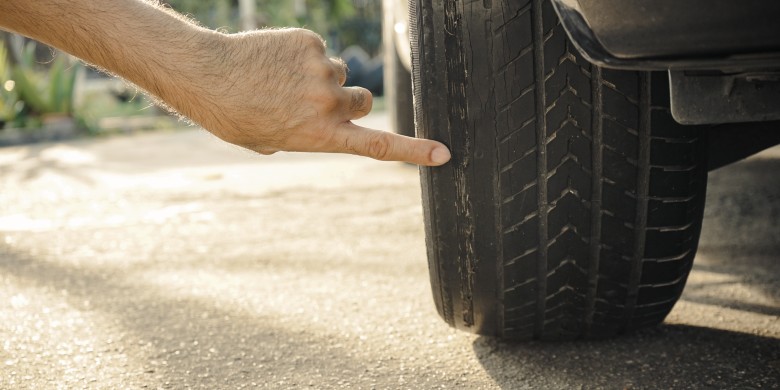
A steady light typically indicates low pressure, but the tire is still holding air. A blinking tire pressure light is a different story — it usually flashes for about a minute after startup and then stays on solid, which points to a sensor malfunction rather than a simple pressure issue. Either way, driving on underinflated tires increases rolling resistance, hurts fuel economy, and causes the tread to wear unevenly along the edges. In more serious cases, low pressure causes a tire to flex and heat up more than it should, increasing the risk of a blowout at highway speeds. None of that is worth the risk of skipping a quick check.
Schedule a Tire CheckNoticing That Light More Often Than Usual?
Most of the time, it’s simply asking for a few pounds of air, and other times it’s flagging a slow leak or a sensor that needs attention. Our team at Olson Chevrolet in Redwood Falls can get tires checked, aired up, and the system reset in minutes.
Schedule Service NowCommon Questions
Frequently Asked Questions
What does a blinking tire pressure light mean?
A blinking light usually indicates a fault in the TPMS system, such as a sensor issue, rather than just low air pressure. It’s worth having a technician diagnose it rather than only adding air.
How do I reset the tire pressure light after adding air?
Knowing how to reset the tire pressure light starts with filling every tire, including the spare if it has a sensor, to the correct PSI. On most models, the light turns off on its own after driving a few miles once the pressure is correct.
What’s the process for resetting a Chevy TPMS light?
A Chevy TPMS light reset usually involves setting all tires to the correct pressure, then using the vehicle’s Tire Pressure Reset option found in the touchscreen settings menu. If the light stays on, a technician can recalibrate the sensors directly.
Is the yellow exclamation mark the same on every vehicle?
The icon looks nearly identical across most modern vehicles since it’s a standardized tire pressure symbol, though the exact shape and placement can vary slightly by manufacturer.
Can I keep driving if the light comes on?
Driving a short distance to a gas station or service center is generally fine, but a low tire should be checked and corrected as soon as possible to avoid uneven wear or a blowout.
| Day | Open | Closed |
|---|---|---|
| Monday | 8:00AM | 6:00PM |
| Tuesday | 8:00AM | 6:00PM |
| Wednesday | 8:00AM | 6:00PM |
| Thursday | 8:00AM | 6:00PM |
| Friday | 8:00AM | 6:00PM |
| Saturday | 8:00AM | 4:00PM |
| Sunday | Closed | Closed |
| Day | Open | Closed |
|---|---|---|
| Monday | 8:00AM | 5:00PM |
| Tuesday | 8:00AM | 5:00PM |
| Wednesday | 8:00AM | 5:00PM |
| Thursday | 8:00AM | 5:00PM |
| Friday | 8:00AM | 5:00PM |
| Saturday | 8:00AM | 12:00PM |
| Sunday | Closed | Closed |
| Day | Open | Closed |
|---|---|---|
| Monday | 8:00AM | 5:00PM |
| Tuesday | 8:00AM | 5:00PM |
| Wednesday | 8:00AM | 5:00PM |
| Thursday | 8:00AM | 5:00PM |
| Friday | 8:00AM | 5:00PM |
| Saturday | 8:00AM | 12:00PM |
| Sunday | Closed | Closed |
Get Directions
| Department | Number |
|---|---|
| Sales | 507-556-7831 |