






Transmission Service Near Redwood Falls
When drivers around Redwood Falls start asking questions about their transmission, it’s usually because something feels “off.” Maybe the shifting isn’t as smooth as it used to be, or there’s a strange noise that wasn’t there last week. At Olson Chevrolet, customers bring these concerns up all the time, and the truth is simple: asking the right questions early can save a lot of stress later. Transmission issues don’t fix themselves, and understanding the basics of transmission repair helps you stay ahead of bigger problems.
Key Takeaways
- Transmission repair costs vary widely depending on the issue and timing.
- Watch for early signs of a bad transmission to avoid major repairs.
- Regular fluid service reduces wear and lowers long-term transmission service cost.
- Understanding transmission flush vs. change helps you choose the right service.
- Knowing transmission replacement cost helps you plan for worst-case scenarios.
What Does a Transmission Actually Do?
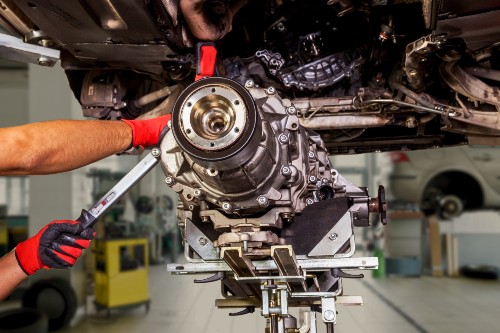
A transmission’s job is straightforward — it sends power from the engine to the wheels while managing gear changes. Without it, the vehicle wouldn’t move. Whether you drive a truck, SUV, or sedan, the transmission keeps everything running smoothly and efficiently. It’s also one of the most complex systems in your vehicle, which is why Chevrolet transmission repair requires trained technicians who know exactly what they’re looking at.

Automatic vs. Manual: What’s the Difference?
Automatic transmissions shift gears on their own, using hydraulic pressure and sensors. Manuals rely on the driver to engage the clutch and shift gears. Automatics are more common today, but manuals still have their fans — especially those who enjoy a more hands-on driving experience. Both require maintenance, though automatics tend to need more frequent fluid checks and services.
How Long Does a Transmission Usually Last?
Most transmissions last between 150,000 and 200,000 miles with proper care. That number can drop quickly if fluid changes are ignored or if early signs of a bad transmission go unchecked. Regular service is key to longevity, especially for drivers who tow, haul, or face Minnesota’s tougher weather conditions.


What Are the Signs of a Failing Transmission?
Transmissions rarely fail overnight. They give warnings — sometimes subtle, sometimes not-so-subtle. Common symptoms include:
- Delayed or rough shifting
- Slipping between gears
- Burning smells
- Leaking fluid
- Whining or clunking noises
If any of these show up, it’s time to schedule “Transmission service near me” before the issue becomes more expensive to fix.
Schedule ServiceWhy Transmission Fluid Matters
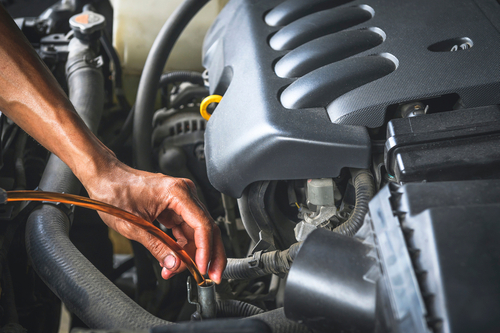
Transmission fluid lubricates, cools, and protects internal components. When it breaks down, debris builds up, and friction increases. That’s when problems start. Clean fluid keeps the transmission performing the way it should, especially in trucks that handle heavy loads. It’s one of the simplest ways to avoid major truck transmission repair down the road.

How Often Should Transmission Fluid Be Changed?
Most vehicles need fluid service every 30,000 to 60,000 miles, depending on driving habits and conditions. Towing, stop-and-go traffic, and extreme temperatures can shorten that interval. Checking your owner’s manual helps, but a technician can give a more accurate recommendation based on your vehicle’s condition.
Transmission Flush vs. Change: What’s the Difference?
Drivers often ask about transmission flush vs. change, and the difference matters. A fluid change drains and replaces part of the old fluid. A flush uses a machine to remove nearly all old fluid and debris before adding new fluid. Flushes are more thorough, but not always necessary — your vehicle’s age and condition determine which service is best.


How Much Does a Transmission Flush Cost?
The transmission flush cost varies depending on the vehicle and fluid type, but it’s typically far more affordable than major repairs. Think of it as preventative care — an investment that keeps your transmission healthy and avoids bigger issues later.
How Much Does Transmission Repair Cost?
It’s one of the most common questions: “How much does transmission repair cost?” Minor repairs may be a few hundred dollars, while more complex internal repairs can climb higher. The exact cost depends on the issue, the vehicle, and how long the symptoms have been present. Catching problems early almost always keeps the bill lower.
Schedule a Diagnostic

How Much Does Transmission Replacement Cost?
A full replacement is the most expensive option, and drivers understandably want to avoid it. The transmission replacement cost varies widely, but it’s often several thousand dollars, depending on the model. Replacements are usually recommended only when repairs aren’t enough to restore safe performance.
Why Asking These Questions Matters
Transmission problems can escalate quickly, and the more you understand, the better decisions you can make. Asking questions helps you spot issues early, plan for maintenance, and avoid unnecessary repairs. It also builds trust — knowing what’s happening under the hood makes every visit to Olson Chevrolet feel more straightforward and less stressful.
Staying Ahead of Transmission Trouble
Understanding transmission basics isn’t just helpful — it’s empowering. When drivers know what symptoms to watch for, how fluid affects performance, and when to schedule service, they’re far more likely to avoid costly repairs. Olson Chevrolet is here to help with diagnostics, maintenance, and full repairs whenever needed. A little information goes a long way toward keeping your vehicle running smoothly for years to come.
Schedule Service NowCommon Questions
Frequently Asked Questions
How often should transmission fluid be serviced?
Most vehicles need service every 30,000–60,000 miles, depending on driving habits. Towing, stop-and-go traffic, and extreme temperatures can shorten that interval.
Can I drive with a slipping transmission?
It’s risky — slipping can lead to overheating and internal damage. Schedule a service appointment as soon as possible if you notice this symptom.
Is a flush better than a fluid change?
It depends on the vehicle’s condition. Flushes are more thorough, but not always necessary. A technician can recommend the right service based on your vehicle’s age and current fluid condition.
Does towing affect transmission health?
Yes. Heavy loads increase heat and stress on the transmission, making regular service even more important for drivers who tow or haul regularly.
What are the most common signs of a failing transmission?
Delayed or rough shifting, slipping between gears, burning smells, leaking fluid, and whining or clunking noises are all warning signs worth addressing early.
Where can I get reliable transmission service near Redwood Falls?
Olson Chevrolet offers diagnostics, repairs, flushes, and full replacements for all makes and models. Schedule a service appointment online or stop in at our Redwood Falls location.
| Day | Open | Closed |
|---|---|---|
| Monday | 8:00AM | 6:00PM |
| Tuesday | 8:00AM | 6:00PM |
| Wednesday | 8:00AM | 6:00PM |
| Thursday | 8:00AM | 6:00PM |
| Friday | 8:00AM | 6:00PM |
| Saturday | 8:00AM | 4:00PM |
| Sunday | Closed | Closed |
| Day | Open | Closed |
|---|---|---|
| Monday | 8:00AM | 5:00PM |
| Tuesday | 8:00AM | 5:00PM |
| Wednesday | 8:00AM | 5:00PM |
| Thursday | 8:00AM | 5:00PM |
| Friday | 8:00AM | 5:00PM |
| Saturday | 8:00AM | 12:00PM |
| Sunday | Closed | Closed |
| Day | Open | Closed |
|---|---|---|
| Monday | 8:00AM | 5:00PM |
| Tuesday | 8:00AM | 5:00PM |
| Wednesday | 8:00AM | 5:00PM |
| Thursday | 8:00AM | 5:00PM |
| Friday | 8:00AM | 5:00PM |
| Saturday | 8:00AM | 12:00PM |
| Sunday | Closed | Closed |
Get Directions
| Department | Number |
|---|---|
| Sales | 507-556-7831 |