




Blog / Olson Chevrolet Service

Signs You Need an Alternator Repair at Your Chevy Dealer

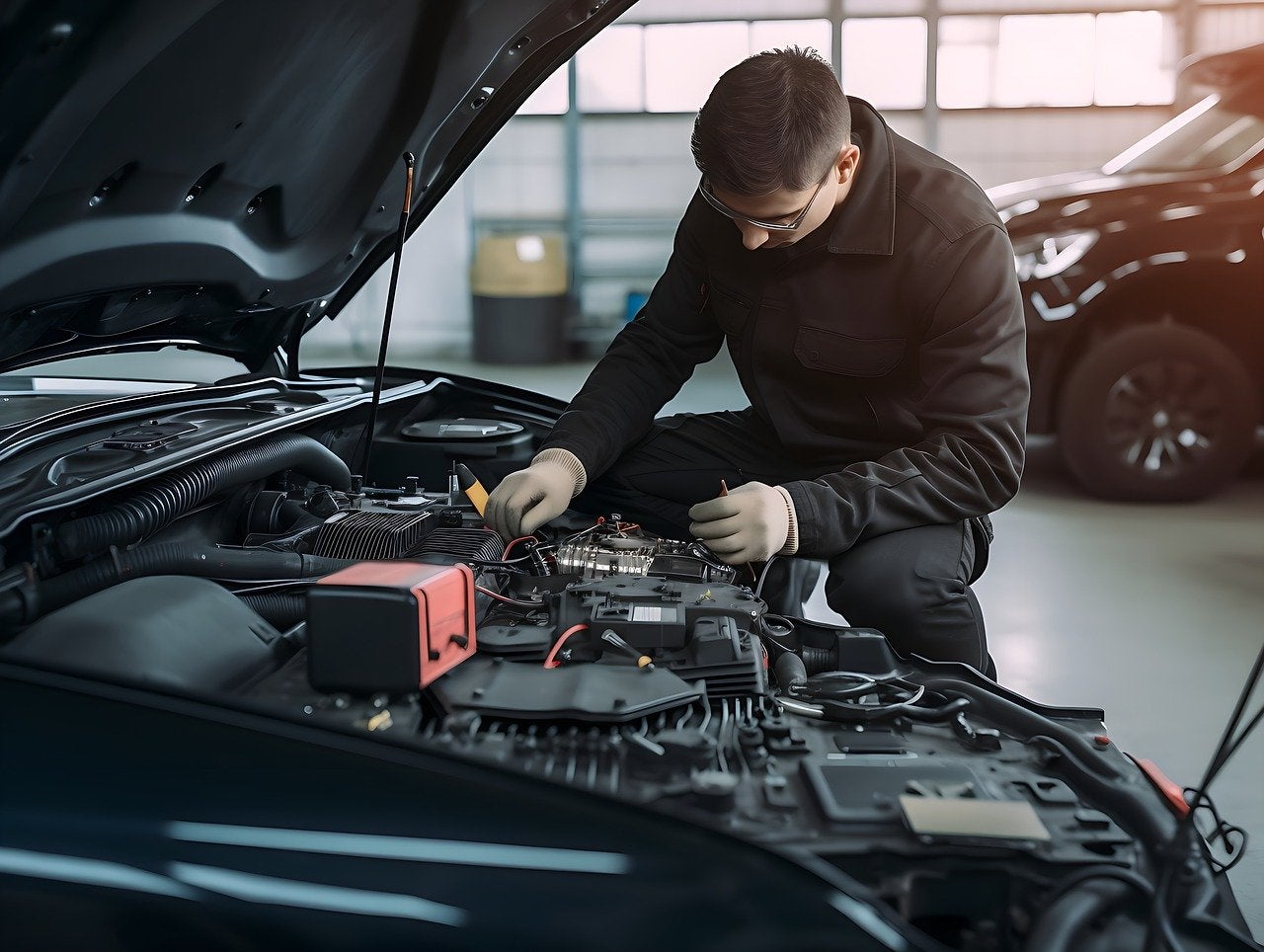
A mechanic working on a car engine

One of the most important engine components is the alternator. It's a mini generator that produces electricity for your car's systems and devices. Unfortunately, time or damage can cause alternator problems. These are a few of the signs that you may need to visit your Chevy dealer for an alternator repair.

Battery Warning Light

Your engine contains numerous sensors, each of which connects to an important component. These sensors receive instructions from your computer and also report on the health and condition of their connected component. If something goes wrong, the relevant sensor will signal your computer, and the computer will illuminate the warning light.

An alternator can cause the light to come on if its voltage output drops below a certain level. Under normal conditions, an alternator supplies more power than your car's systems require and should supply at least 14.5 volts even at full load. If the alternator's output drops to 13 volts or less, it's a sign the alternator is potentially failing. We'll investigate and either repair the problem or replace the alternator to fix this issue.

Burning Wiring

A vast network of electrical wiring spreads from the alternator to almost every system in your car. These wires continuously supply electricity to every system that needs it. Each wire is securely protected against damage from heat and dirt by thick plastic insulation. The best protection, however, can't protect wiring against time. As electrical wiring ages, it becomes brittle, and this can cause it to break.

A broken wire will immediately shut down the system it connects to, as electricity can't flow through the break. The alternator will continue to supply electricity to the through the wire, and the wire will heat up. If the wire gets hot enough, it will set its protective insulation on fire, and you'll smell the acrid stench of burning plastic. Our technicians can quickly trace broken or damaged wires and replace them.

Damaged Battery

The alternator's main function is to supply electricity to your Chevy's systems, and its secondary function is to recharge the battery. Under normal conditions, the alternator charges the battery at full power for a few minutes, then switches to a reduced and sustained charging rate. The recharging level drops as charging at full power can damage the alternator and the battery.

If your battery is already damaged, it won't send the confirmation that it successfully received the initial charge. This causes the alternator to continue to supply full power to the battery. This overcharging can quickly damage even a healthy alternator. We'll replace the damaged battery and we may need to replace the alternator, depending on its condition.

A worn or damaged alternator will cause major electrical issues until it is repaired or replaced. Contact our service department today at Olson Chevrolet in Redwood Falls, MN.

Image via Pixabay
Posted in:

Related Posts

A silver Chevrolet Equinox in a white background

The Importance of a Regular Oil Change for Your Chevy From Your Chevy Dealer

There are many reasons why changing your Chevy's oil at regular intervals is important. Oil keeps your engine cool, clean, and protected by lubricating the moving metal components, reducing friction, which causes wear, and drawing heat away from your engine. A regular oil change from your Chevy dealer guarantees optimal engine performance and extends the lifespan of your vehicle. more Ensures Proper Lubrication It's important to ensure your engine is properly lubricated to prevent damaging metal-to-metal contact between the internal moving components. Regular oil replacements create a protective shield between the moving parts inside the engine. To ensure proper lubrication, follow the service schedule and oil replacement intervals in your owner's manual. Reduces Friction and Wear When engine components move at high speed, they create a vast amount of friction. Oil reduces friction by providing a protective layer over all the engine components. If the oil is not replaced regularly, it becomes contaminated, degrades, and doesn't provide proper lubrication, causing friction from the moving components grinding together, which will result in premature wear. Removes Heat As the oil circulates, it draws heat away from the engine, reducing the risk of overheating caused by friction between the fast-moving engine components. Replacing the oil in your Chevy regularly prevents the engine from overheating, which can cause severe damage and high repair costs. Prevents Rust and Corrosion Oil contains special additives that protect against rust and corrosion, safeguarding components and prolonging your engine's lifespan. If rust develops inside your engine, it can lead to the formation of rust flakes that may break off and contaminate the oil. This will have a severe impact on your engine. Keeps Your Engine Clean Regular oil and filter replacements help prevent the accumulation of sludge and other harmful deposits that can obstruct engine operation. Accumulated sludge can clog the engine, restrict the movement of components, and reduce overall engine performance. Improves Fuel Efficiency Heat and friction cause your engine to work harder and burn more fuel. Oil lubricates the moving components, keeps them running smoothly, and ensures that your engine burns less gas, improving your Chevy's fuel economy. Extends Your Engine's Lifespan Regular oil and filter replacements will increase your engine's longevity. Proper lubrication will reduce friction and heat and minimize excessive wear, which strains your engine. With the right oil that provides proper lubrication, you will optimize your engine's performance and significantly extend its lifespan. To ensure you enjoy every mile behind the wheel of your Chevy for thousands of miles, change the oil at the factory-recommended intervals. You will save money on fuel, repair costs, and extend the lifespan of your engine. Call Olson Chevrolet in Redwood Falls, MN, today for an expert oil and filter replacement performed by our certified Chevrolet technicians. Image via Chevrolet

A person working on a car

5 Ways Regular Maintenance Can Extend the Life of Your Chevrolet

If we want to live as long as possible, we eat well, exercise responsibly, avoid unhealthy habits, and see our doctors at the first sign of sickness or injury. Likewise, maximizing your car's lifespan requires diligent maintenance and a prompt response to any sign of trouble. With your car's good health and longevity in mind, let's take a look at the most important Chevy maintenance tasks to have routinely carried out at your local Chevy dealership. more Keep Oil and Fluids in Tip-Top Condition The various fluids in your car are absolutely crucial to vehicle longevity. The motor oil, coolant, transmission fluid, brake fluid, power steering fluid, and windshield washer fluid serve a multitude of vital functions, not least of which is minimizing wear and tear. If your motor oil or any other fluid degrades, leaks, or diminishes in volume, your car will undergo accelerated aging, and you might soon have an expensive repair job on your hands. Avoid this by changing your oil twice a year and also regularly inspecting, topping up, and refreshing all of your car's fluids. Keep the Airflow Clean and Unhindered The flow of air through your car is also essential for its proper functioning. At the front of your car, you should replace the air filter periodically to ensure it doesn't clog up and suffocate the engine. Likewise, if any issues develop in the exhaust system on the underside of your car, the outflow of fumes can restrict how much oxygen the engine can take in. Both your filter and exhaust system should be well-maintained at all times. Keep Your Brakes Highly Responsive Faulty brake components also put you at risk of collisions. Have your brakes inspected twice a year and replace worn-out brake pads, rotors, and caliper components promptly. You'll also need to flush your brake fluid every two or three years and periodically check for leaks. Keep the Bodywork Clean and Protected The bodywork also needs to be maintained if you wish your car to look great and hold its value well into its later years. Keep it well-washed and waxed at all times. Also, use a good car cover or shaded parking to keep your car protected from the elements all year round. Schedule Regular Chevy Maintenance at Your Local Chevy Dealer The technicians at your local dealership are specialists in Chevy longevity. It's wise to set up a regular schedule for all necessary maintenance tasks; this helps ensure you don't accidentally miss an essential servicing task, which might shorten the lifespan of your car. Visit Olson Chevrolet in Redwood Falls, MN, today to have your car serviced by experienced professionals. We're a locally trusted full-service dealership that offers the region's drivers an extensive inventory of new and used vehicles along with a cutting-edge car maintenance and repair center. Image via Pixabay

A car's brake being repaired

Does Your Chevrolet Need a Brake Repair? 6 Key Signs to Look For

Brakes keep you safe on the road, whether you're facing your daily drive or need to react quickly in an emergency. Over time those brakes wear out, though. Knowing when to visit the Chevy dealer for a brake repair can help keep you and your passengers safe. more 1. Squeaks and Grinding Noises Have you ever hit the brakes only to hear a sound like nails on a chalkboard? That high-pitched squeal is usually your brake pads telling you they're getting thin. If it sounds more like grinding, that's even worse. The pads might be worn down completely, resulting in metal-on-metal contact. 2. Shaking and Rattling If braking leads to some bad vibrations or pulsing in the brake pedal or steering wheel, you might have warped rotors. Heat from heavy braking can make them bend out of shape, leading to that shaky feeling. It's uncomfortable, and it can mean your brakes aren't working as well as they should. 3. Soft, Spongy Brake Pedal Pressing down on the brake pedal shouldn't feel like stepping in something squishy. That soft, spongy feeling could mean there's air in your brake lines or an issue with the master cylinder. It's a big deal because it can seriously cut down on how effectively you can stop. 4. Pulling to the Side If your Chevy suddenly pulls to one side when you brake, you could be dealing with a sticky caliper. It means the brakes are applying uneven pressure, making your car veer off course. It's annoying and can wear your brakes out unevenly, not to mention it's bad for your safety. 5. A Burning Smell Pushing your brakes hard and then smelling something that reminds you of burning rubber means those brakes are overheating. Pull over and let them cool off a bit. If you keep pushing them, you could end up with brake fade, where your brakes stop working altogether. 6. Needing More Room to Stop Finding yourself pushing the brake sooner than you used to at stop signs? If it feels like your stopping distance has grown, it's a pretty clear sign your brakes aren't as sharp as they used to be. Whether it's worn pads, leaky fluid, or bad rotors, longer stopping distances mean it's time for a brake inspection. Have Your Brakes Checked at the Chevy Dealer If you've noticed signs of trouble with your brakes, the best thing to do is head to the dealership right away. Brakes that don't work correctly can be a serious safety hazard, so don't put off taking care of them. Regular brake inspections can help you avoid accidents and expensive repairs. Call Olson Chevrolet in Redwood Falls, MN, to schedule your next brake check. Image via Pixabay