





AWD vs FWD vs 4WD on a Chevy: What's the Difference and Which Do You Need?
A straightforward guide to Chevy drivetrains from Olson Chevrolet in Redwood Falls, Minnesota.
Shop New Inventory Ask Our Team▶ QUICK ANSWER
What's the Difference Between AWD, FWD, and 4WD on a Chevy?
AWD automatically sends power to all four wheels as road conditions change, FWD powers only the front wheels for efficient daily driving, and 4WD gives the driver a selectable mode built for towing, off-roading, and deep snow on trucks and larger SUVs.
- AWD: automatic, full-time, ideal for changing weather
- FWD: front wheels only, lighter and efficient
- 4WD: driver-selectable, built for towing and off-road
Drivetrain Guide
Choosing the Right Chevy Drivetrain for Redwood Falls Roads
Minnesota weather doesn't mess around, and neither should the drivetrain sitting under the hood. Whether it's a gravel road outside town or a fresh coat of snow on the highway, the way power gets to the wheels makes a real difference in how a vehicle handles. At Olson Chevrolet in Redwood Falls, this comes up in almost every conversation about trucks and SUVs, and it usually starts with the same question: what's the actual difference between AWD vs. FWD vs. 4WD?
- AWD sends power to all four wheels automatically, adjusting on the fly for changing road conditions without any driver input.
- FWD powers only the front wheels and works well for everyday driving on dry and lightly wet roads.
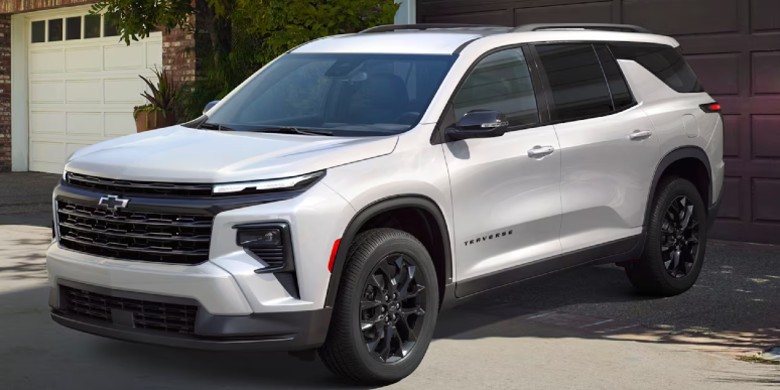
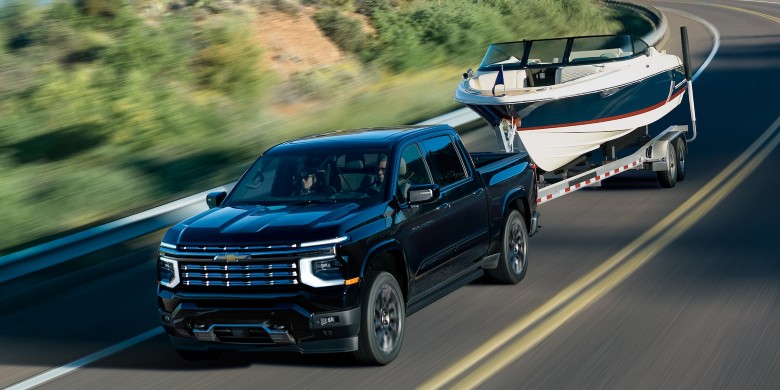
- 4WD is built for serious traction on trucks and larger SUVs, with settings for off-road, towing, or deep-snow situations.
- Chevy offers all three drivetrains across different models, so the right choice depends on towing needs, terrain, and typical weather.
- Winter driving in Redwood Falls usually favors AWD or 4WD, especially for anyone regularly driving on unplowed or rural roads.

Finding the Right Fit
At the end of the day, AWD vs. FWD vs. 4WD isn't about which one is best overall. It's about matching a drivetrain to the roads you drive every day. Someone commuting on plowed city streets might do just fine with FWD, while a family covering rural Redwood County roads might feel more at ease with AWD, and someone hauling equipment or plowing a driveway needs the low-range grunt of 4WD. Our team at Olson Chevrolet in Redwood Falls walks through this with customers all the time, whether that means comparing a Chevy Equinox AWD vs. FWD trim or explaining how a Silverado's 4x4 system holds up on a snowy gravel road. Getting Chevy AWD explained in plain terms makes the decision a lot less overwhelming, and knowing which Chevy has AWD versus 4WD is the first step toward picking the right one.
Explore Our Inventory!
Not sure which drivetrain fits the way life actually gets lived around here? Stopping by Olson Chevrolet in Redwood Falls is an easy way to compare AWD, FWD, and 4WD options in person and see which one feels right behind the wheel.
Shop New InventoryFrequently Asked Questions
What is the difference between AWD and 4WD?
AWD works automatically and full-time, adjusting power between wheels without driver input. 4WD typically requires the driver to select a mode and is built for tougher, low-traction situations like off-roading or deep snow.
What is the difference between FWD and AWD?
FWD sends power only to the front wheels, while AWD can send power to all four wheels whenever extra traction is needed. AWD generally handles slick or uneven roads better, but FWD is lighter and often more fuel-efficient.
Is AWD or 4WD better in snow?
Both handle snow well, but they're built for different situations. AWD is great for everyday winter driving on plowed or lightly snowy roads, while 4WD is better suited for deep snow, ice-covered backroads, or towing in winter conditions.
What is the difference between AWD, 4WD, and 4x4?
4WD and 4x4 essentially mean the same thing: power delivered to all four wheels through a transfer case, usually on trucks and larger SUVs. AWD is a separate, typically full-time system found on car-based SUVs that adjusts power automatically without a transfer case.
Which is better, AWD or FWD, for an SUV?
It depends on driving conditions and priorities. AWD offers better traction in rain, snow, or on gravel, while FWD tends to be lighter, simpler, and a bit easier on fuel economy for drivers who mostly stick to paved roads.
Does AWD cost more to maintain than FWD?
AWD systems have more moving parts, which can mean slightly higher maintenance costs over time compared to FWD. For most drivers, though, the difference is modest and often worth it for the added traction and confidence.
| Day | Open | Closed |
|---|---|---|
| Monday | 8:00AM | 6:00PM |
| Tuesday | 8:00AM | 6:00PM |
| Wednesday | 8:00AM | 6:00PM |
| Thursday | 8:00AM | 6:00PM |
| Friday | 8:00AM | 6:00PM |
| Saturday | 8:00AM | 4:00PM |
| Sunday | Closed | Closed |
| Day | Open | Closed |
|---|---|---|
| Monday | 8:00AM | 5:00PM |
| Tuesday | 8:00AM | 5:00PM |
| Wednesday | 8:00AM | 5:00PM |
| Thursday | 8:00AM | 5:00PM |
| Friday | 8:00AM | 5:00PM |
| Saturday | 8:00AM | 12:00PM |
| Sunday | Closed | Closed |
| Day | Open | Closed |
|---|---|---|
| Monday | 8:00AM | 5:00PM |
| Tuesday | 8:00AM | 5:00PM |
| Wednesday | 8:00AM | 5:00PM |
| Thursday | 8:00AM | 5:00PM |
| Friday | 8:00AM | 5:00PM |
| Saturday | 8:00AM | 12:00PM |
| Sunday | Closed | Closed |
Get Directions
| Department | Number |
|---|---|
| Sales | 507-556-7831 |